Over 60% of adolescents surveyed aged 15–17 would like to live permanently in Ukraine — KSE Institute and the Olena Zelenska Foundation present Future Index 2026 findings
26 NOV 2026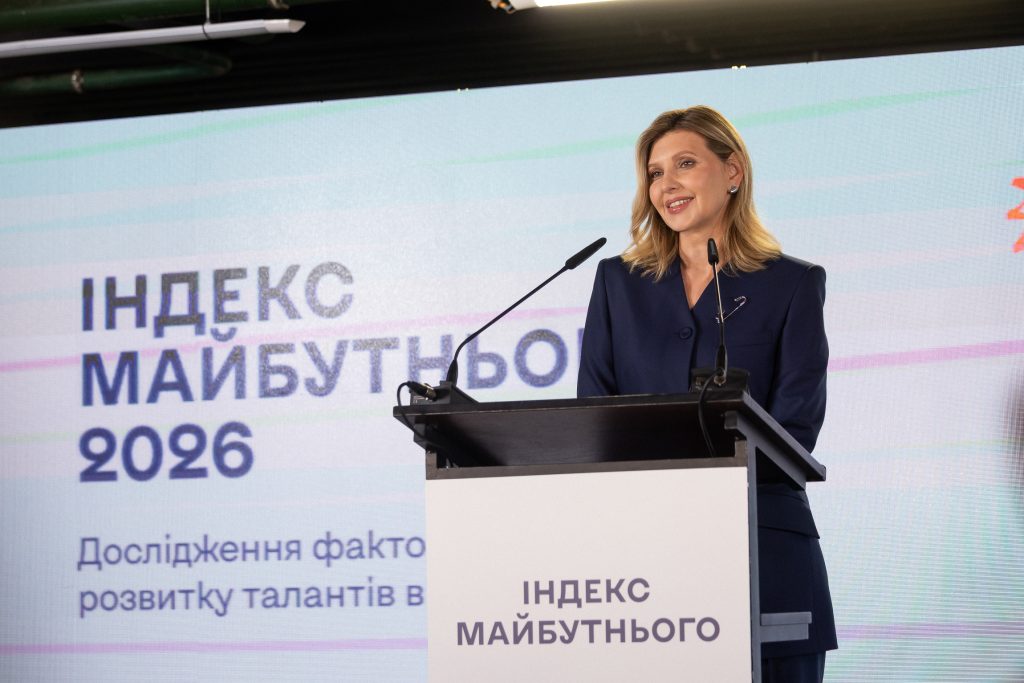
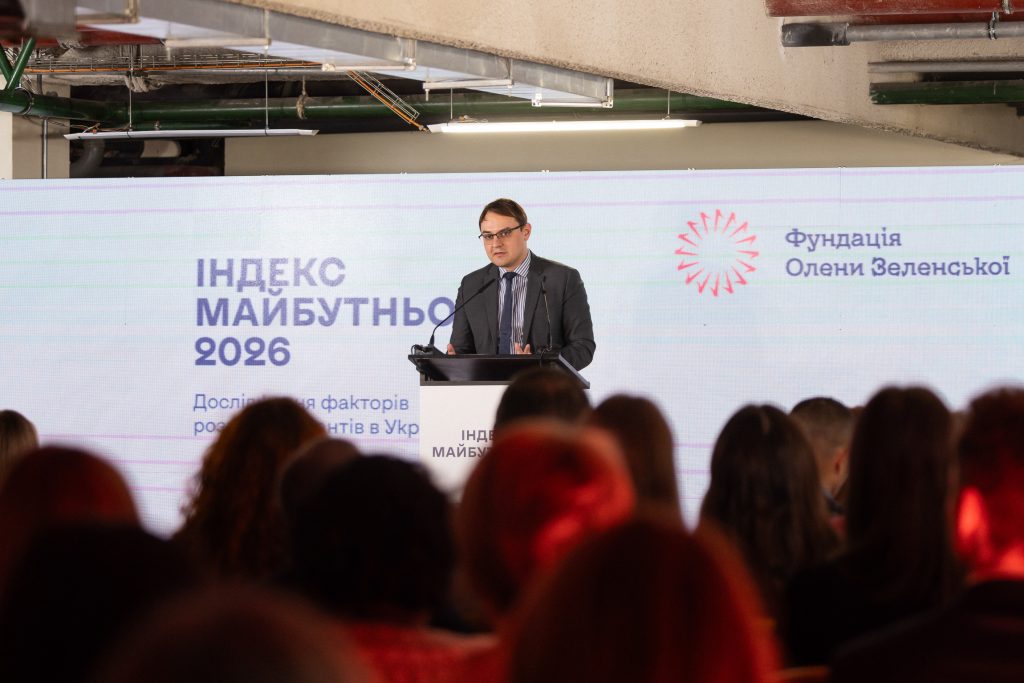
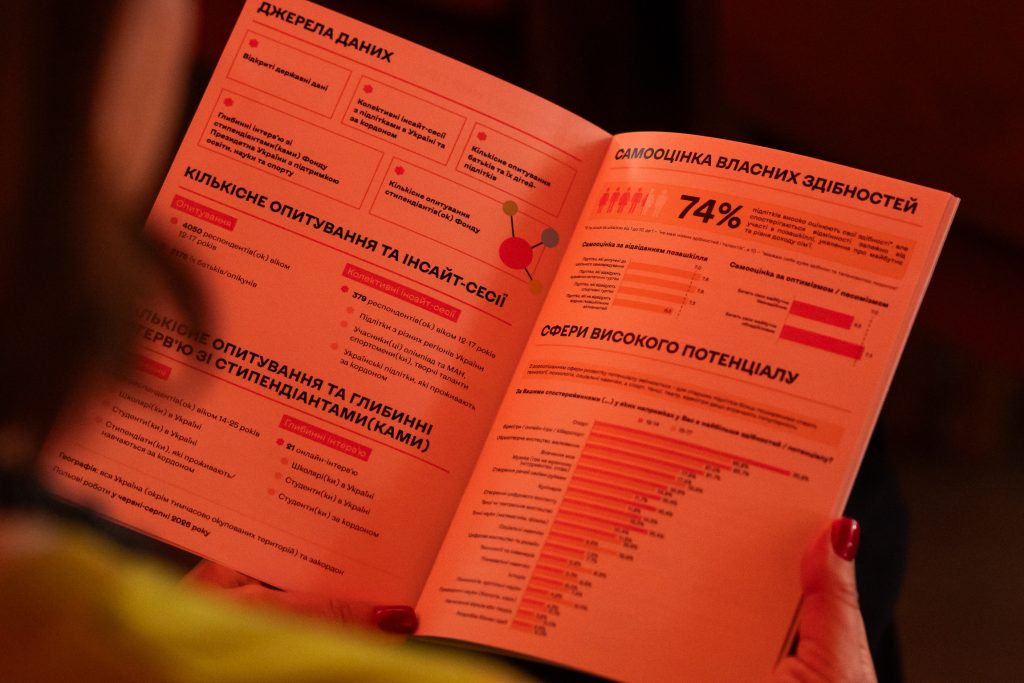


On 25 November in Kyiv, KSE Institute and the Olena Zelenska Foundation presented the findings of the third study conducted as part of the Future Index initiative. This year’s study, “Future Index: A Study of Factors Shaping Talent Development in Ukraine”, explores how Ukrainian adolescents discover and develop their abilities, the role of families, schools and extracurricular education, and the opportunities young people lack. The KSE Institute team developed the methodology and conducted the research. The main survey involved 4,050 adolescents aged 12–17 and 3,176 of their parents and guardians. Three collective insight sessions involved 379 active participants, including Ukrainian adolescents living abroad as a result of the war.
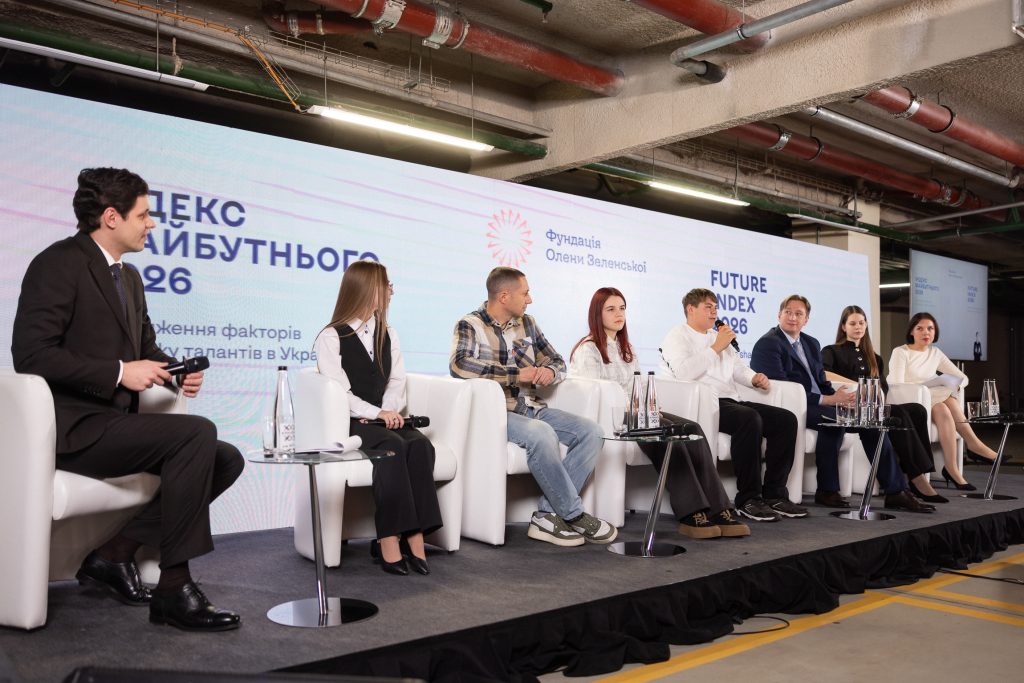
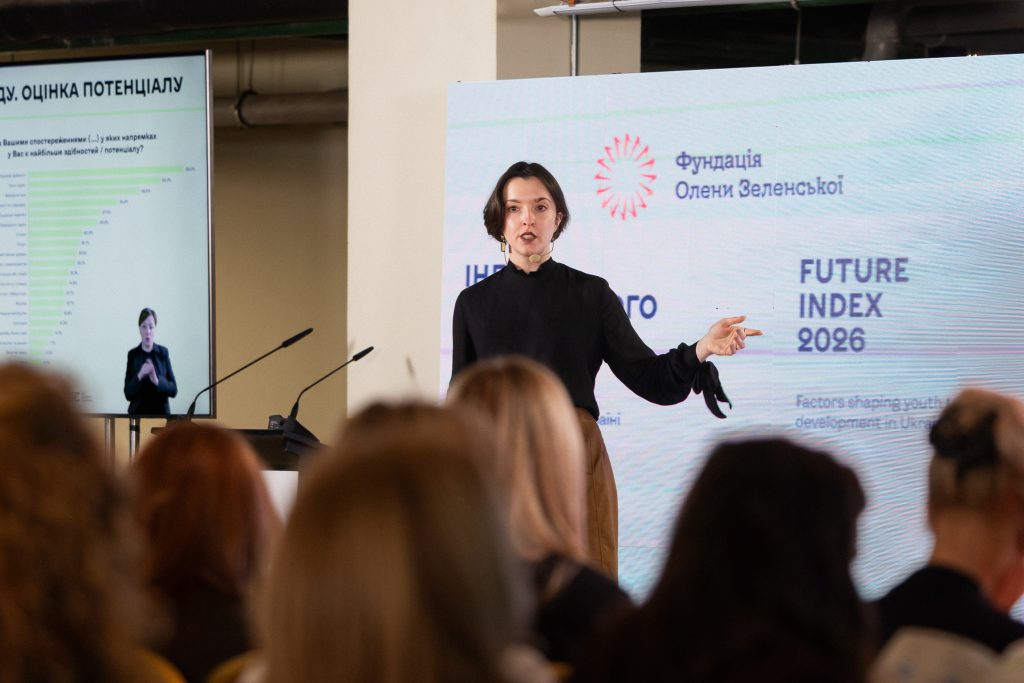
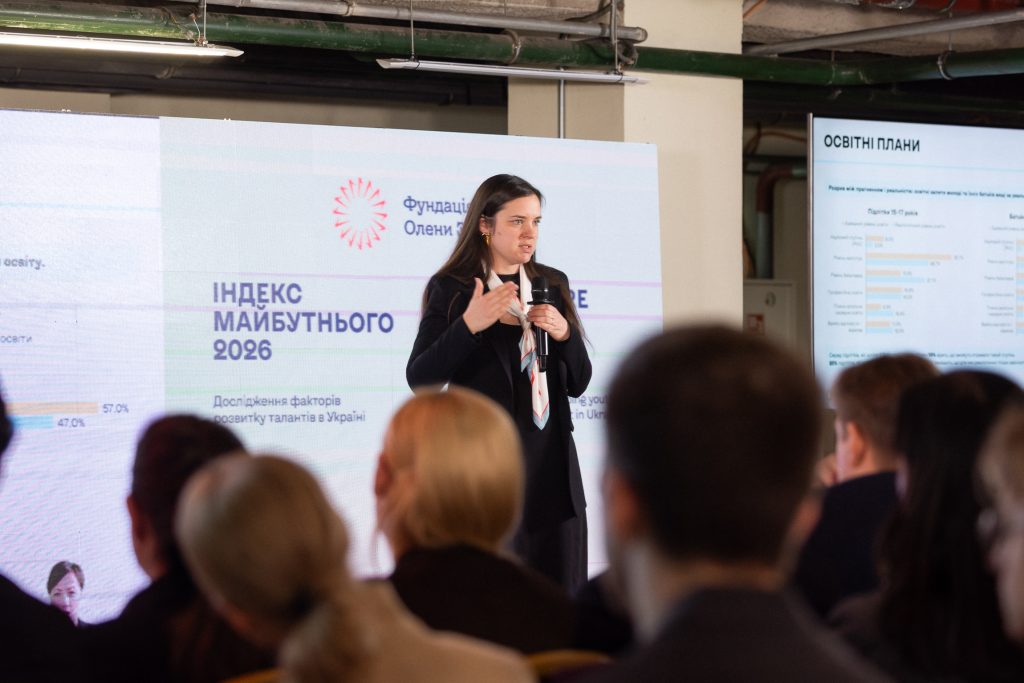
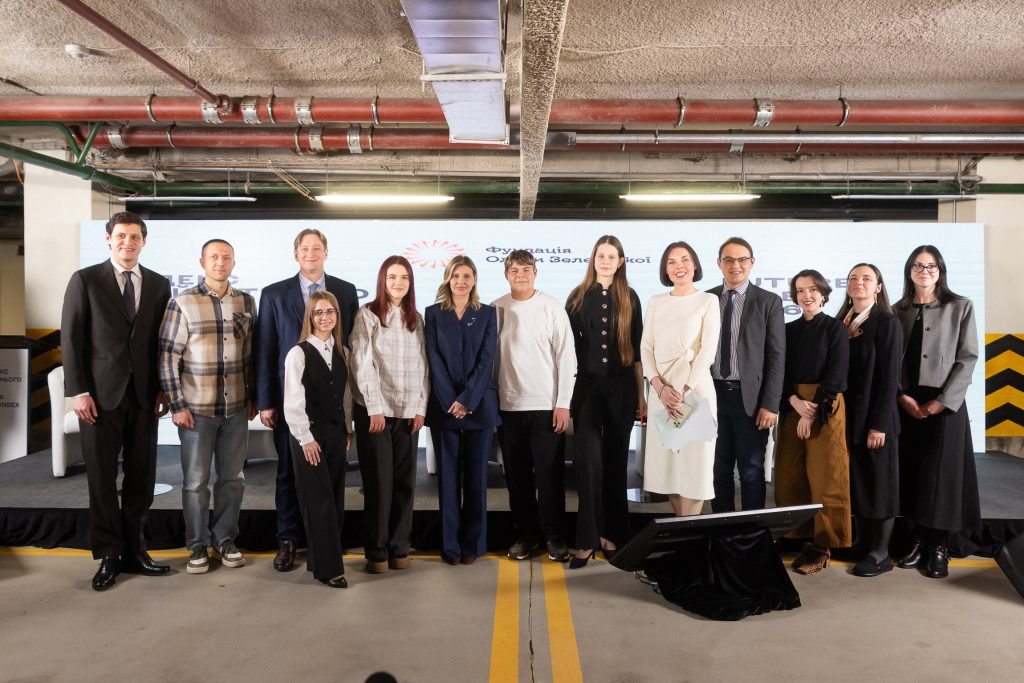
The findings were presented by KSE Institute researchers Olha Rybak and Alona Goroshko. The event also featured a panel discussion with Andrii Butenko, Minister of Education and Science of Ukraine; Dariia Marchak, Deputy Minister of Economy and Environment of Ukraine; Denys Minin, Director of the All-Ukrainian Youth Center; and young people from different regions of Ukraine. Participants discussed access to educational programmes, career guidance and opportunities for adolescents to develop their abilities. The event was moderated by Roman Hryshchuk, a member of the Verkhovna Rada Committee on Education, Science and Innovation.
“For us at the Foundation, the Future Index serves a practical purpose. We use the research findings to set our priorities and assess whether our projects meet children’s needs. We want everyone who works with children or makes decisions that affect their lives to find answers to the questions that matter to them in this study. For some, it may offer guidance on how to change their approach to education. For others, it may help identify what opportunities they need to create in their communities. For others still, it may help determine which support programmes they should develop,” said Olena Zelenska, First Lady of Ukraine.
According to the study, 60.5% of survey respondents aged 15–17 would like to live permanently in Ukraine, while 22.7% would prefer to live abroad. Among those who are optimistic about Ukraine’s future, 17% would like to live abroad, compared with 54% of those who are pessimistic. Migration intentions are also associated with how adolescents feel about school: 22% of those who enjoy attending school would like to live abroad, compared with 38% of those who do not. The study found no statistically significant association between the desire to live abroad and either self-assessed abilities or participation in academic olympiads, contests and competitions.
Over the past year, the share of adolescents aged 13–16 who are optimistic about their own future fell from 82% to 69%. This change primarily reflects growing uncertainty: the share of those unsure about their future increased from 11% to 24%, while the proportion of those who are pessimistic remained broadly unchanged at around 7%.
“The country’s future depends on how successfully we can help today’s 12–17-year-olds develop their abilities. The Future Index 2026 provides an evidence base for public policies and programmes that will help young people fulfil their potential at home,” emphasised Tymofii Brik, Rector of KSE University.
Adolescents recognise abilities in themselves across a wider range of areas than their parents do. Some 74% of adolescents surveyed rated their own abilities at 6 or higher on a 10-point scale, with an average score of 7. However, 67% have abilities or interests they would like to develop but are not currently pursuing. Similarly, 66% of parents and guardians reported that their children have such abilities or interests.
Among adolescents who are not currently developing their abilities in certain areas, the most common barriers include a lack of time due to schoolwork (25.9%), uncertainty about where to start or seek support (24.7%), financial constraints (23.4%), a lack of confidence in their ability to succeed (21.8%), and a lack of motivation or energy (21.4%). Air raid alerts and attacks were also cited as a barrier by 12.8%.
“Today, as Ukrainian children grow up amid war, we must preserve their confidence in themselves, support their dreams and give them opportunities to discover their talents. Children are choosing Ukraine, believing in it and building their plans around it. We must do everything we can to sustain that belief and ensure that every adolescent has the opportunity to find their own path, develop their abilities and succeed here in Ukraine,” said Andrii Butenko, Minister of Education and Science of Ukraine.
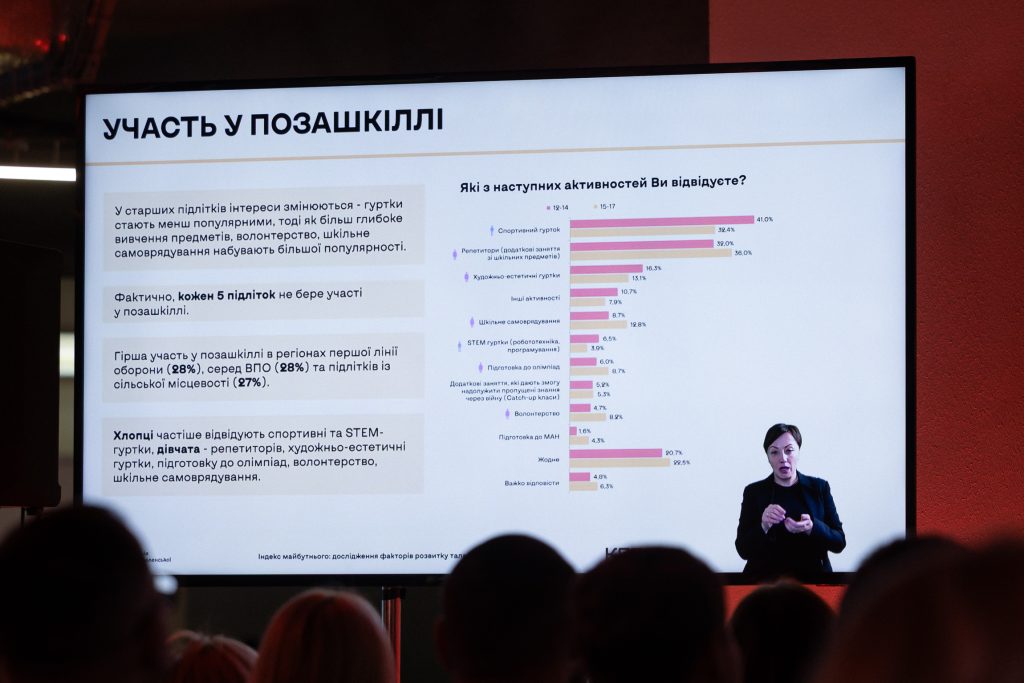
Opportunities for talent development vary depending on where adolescents live and their families’ financial circumstances. In large cities, 39.1% of adolescents attend additional classes, compared with 24.1% in rural areas. According to data from the Institute of Educational Analytics cited in the study, only 12.5% of settlements in Ukraine have extracurricular education institutions, and just 35.7% of these institutions have their own shelters. In rural areas, parents more often report a lack of nearby activities, while in cities and among forcibly displaced families, cost is a more common barrier.
“We are working to help young people better understand their career opportunities and gain practical work experience. As part of the National Employment Strategy 2030, we are developing the career guidance system, introducing approaches to forecasting labour market needs, and expanding opportunities for young people to secure their first jobs, undertake internships and access vocational training,” explained Dariia Marchak, Deputy Minister of Economy and Environment of Ukraine.
During the panel discussion, young people from different regions of Ukraine shared their experiences of developing their abilities and discussed the support and opportunities adolescents need.
“The Future Index findings provide an important reference point for youth policymaking. Our task is to foster an environment in which every young person has the opportunity to fulfil their potential, receive support and see a future for themselves in Ukraine,” emphasised Denys Minin, Director of the All-Ukrainian Youth Center.
The study highlights the need for a talent support system that covers every stage of adolescent development — from identifying abilities at school and within the family to pursuing a career. Its recommendations include identifying adolescents’ abilities and interests more systematically, widening access to extracurricular education, strengthening mentoring and practical career guidance, and supporting the transition from education to employment.
The Future Index is a research initiative launched by the Olena Zelenska Foundation in 2023 and implemented in partnership with KSE Institute. A comprehensive study of child well-being is conducted every four years, with thematic studies carried out in the intervening years. The first comprehensive study was presented in 2024, followed in 2025 by the first thematic study, which focused on the career plans and expectations of Ukrainian adolescents.
Featured news